
“Never again. Never forget!”
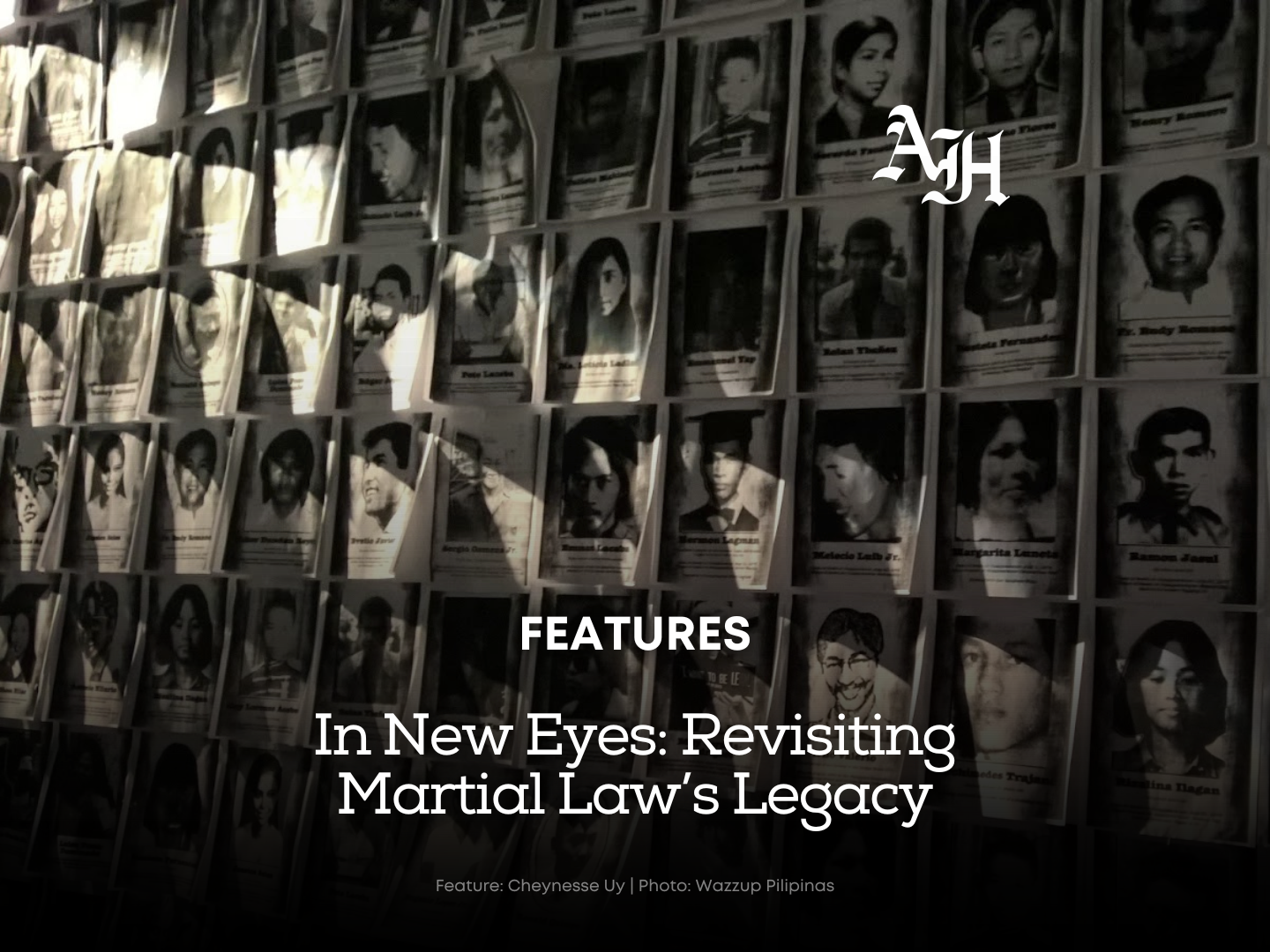
Martial Law was not just a political event — it was a scar on the Philippines’ soul. It left behind a generation of people tainted by this experience, their memories too painful to recall, yet too significant to ignore. For those who lived through this tragedy, the past became a shadow that follows them even today. Which is why it is crucial that we listen to their stories, honor their experiences, and ensure that the lessons of their suffering are never forgotten.
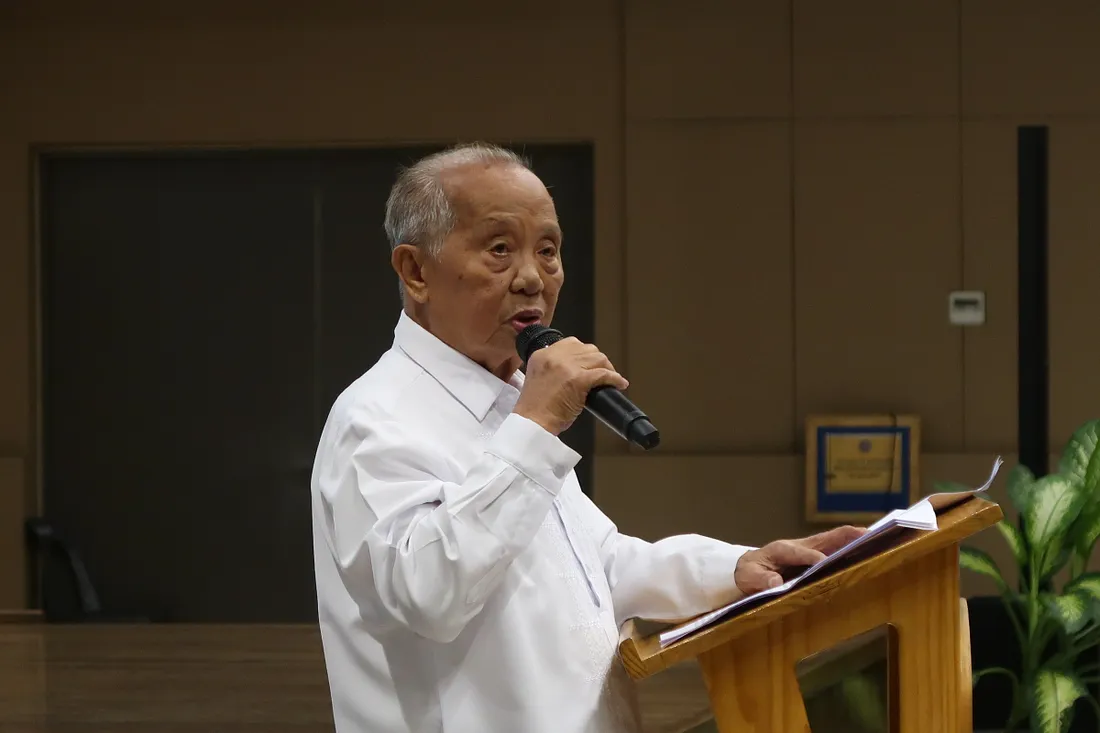
On September 18, 2024, Grade 11 students attended a talk on Martial Law. The students viewed martial law from the perspective of Fr. Ernesto Javier, S.J., the former director of SHS-AdC, and Atty. Democrito Barcenas, a Human Rights lawyer and a Martial Law survivor. “Eternal vigilance is the price of liberty,” said Fr. Javier, emphasizing the responsibility we all must protect for our freedoms and rights. Fr. Javier’s words encourage us to learn from the past, to honor the sacrifices of those who fought for freedom, and to understand that liberty is not guaranteed but something that must be actively defended and nurtured.
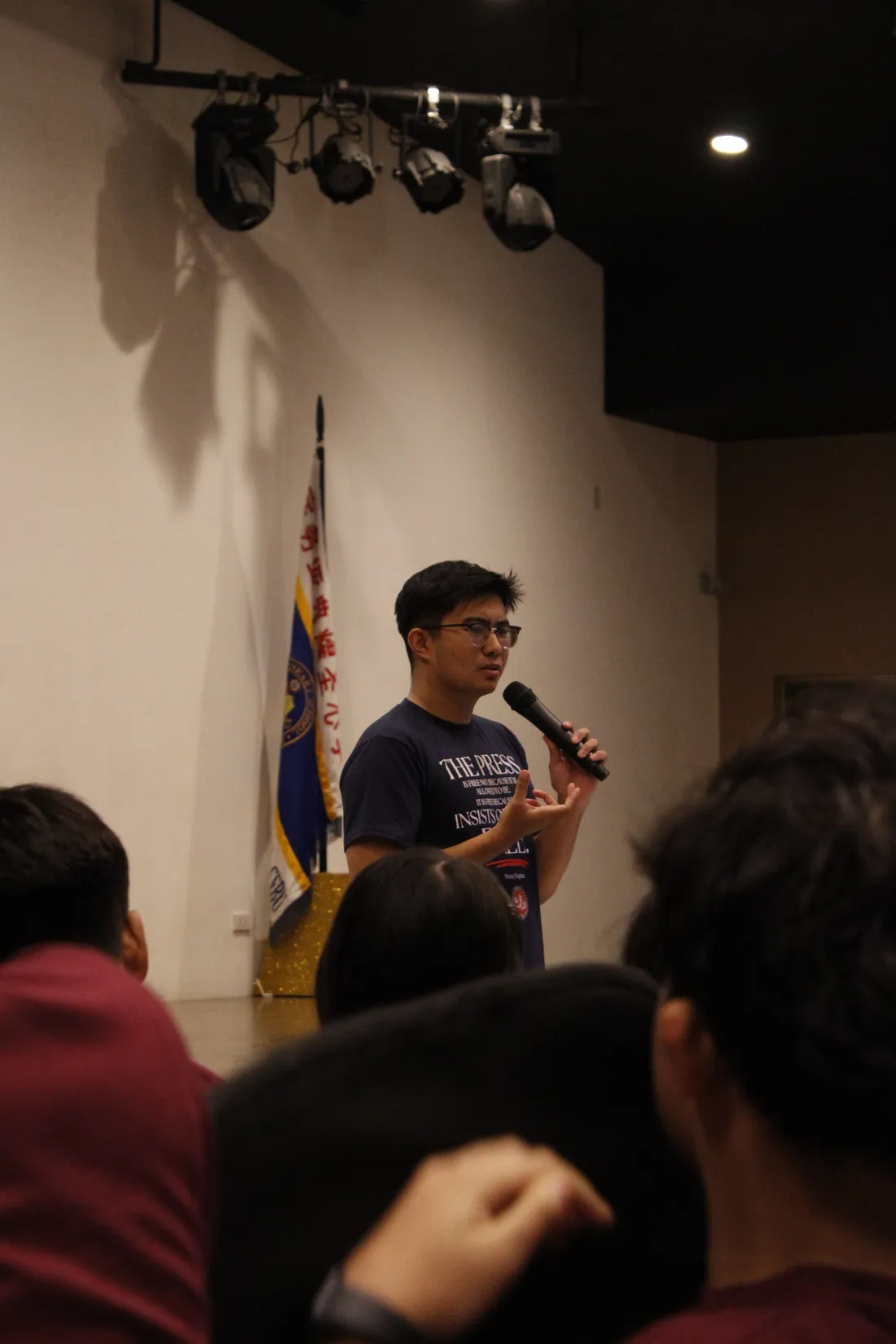
Atty. Democrito Barcenas then explained what martial law was like in his eyes. The horrors of the Marcos dictatorship included the following: the complete suppression of media, which left only government-controlled media, the absence of elections for 14 years, and our economy being in shambles, resulting in the country going bankrupt. He emphasized that before Martial Law, the Philippines was prosperous, but the consequences of the Marcos dictatorship left debt that the country is still paying until now.
Through their perspectives, we see the reality of what it was like, but how do we perceive it? We study the facts, we memorize the dates, but how do we truly understand the agony of a mother whose son never came home? Or the despair of a father watching his child being tortured for ever daring to speak out? The truth is, we cannot. We can never fully comprehend the depth of their pain. But we can listen, and we can honor their memories by ensuring their stories are never forgotten.
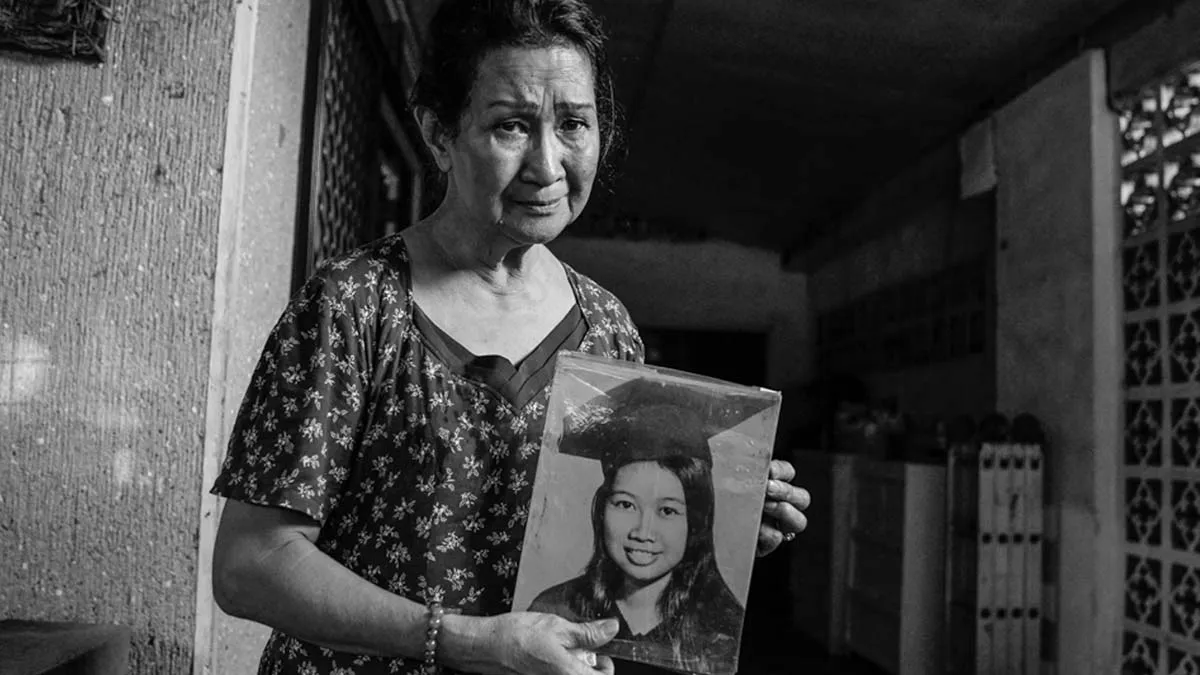
Liliosa Hilao’s death was the first recorded extrajudicial killing during Martial Law. She was a student who spoke out against the injustices happening around her. She used her voice through writing, pouring her thoughts into articles that criticized the government and its harsh treatment of its people. But Liliosa’s bravery did not go unnoticed by those in power. One day, soldiers arrived at her home, looking for her brother. When they could not find him, they turned their anger towards Liliosa. She demanded to see a search warrant, standing firm in her rights, but the soldiers responded with violence. They beat her brutally, taking out their frustration on her. Liliosa was taken away, and by the time her sister arrived at the station, it was too late — Liliosa had been killed. Her story is not just about a life lost, but about the cruel reality that those who dared to voice out faced under the Marcos regime. Her courage is remembered, but so too is the heavy price she paid for standing up for what was right.
We commemorate all the victims of martial law, seeing how they endured what they had to endure for us to gain our own freedom and rights. As we look back, we do not just recount dates or memorize names, we remember the people, the families, and all the lives that were under the weight of tyranny.
Written by Cheynesse Uy