By Myles Claire Bontilao, PUNDOK Volunteer, Grade School Department
There were scenes in community work that are more pilgrimage than event. PUNDOK: Community Dialogue and Visioning for a Shared Mission was one such occasion. It wasn’t about the grand gestures, but about the deep, silent act of listening. For years, the story of partnership has too frequently been about what a school or an institution can provide. PUNDOK turned that script on its head with a simple yet radical question: What do you dream of?
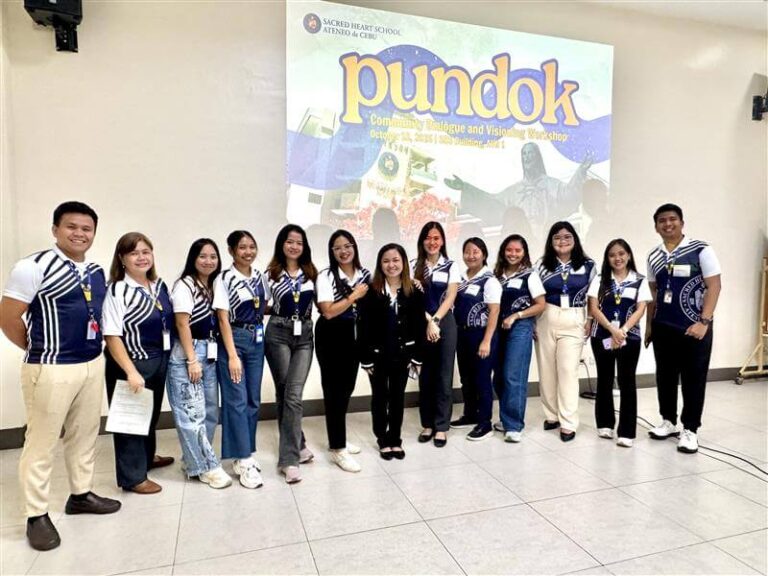
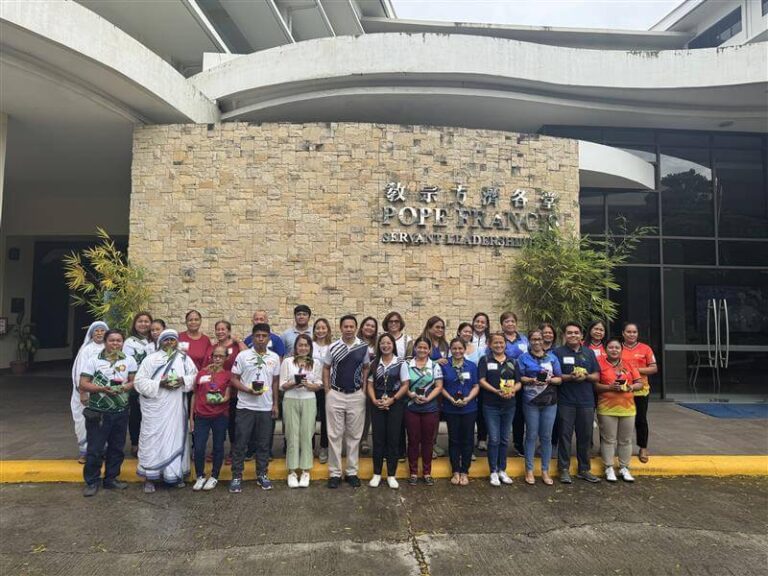
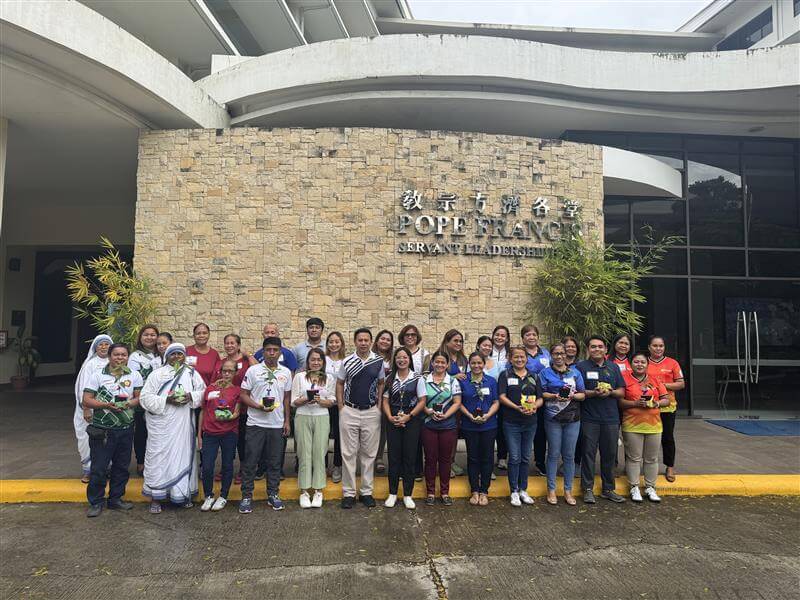
Even the word Pundok itself, which describes a crowd assembled for a common goal, epitomized the ethos of the day. It was the first time that the 11 mission partners of Sacred Heart School – Ateneo de Cebu sat around a common table, no longer as beneficiaries, but as co-architects of a common future. For the school, it is a symbol of genuine commitment to Magis—the search for the more, the greater good—by ensuring that their efforts were motivated by genuine, community-based needs. For the partners, it was a liberating stage on which to express their aspirations, dreams, and present, frequently challenging, realities.
The Unveiling of the Shared Dream
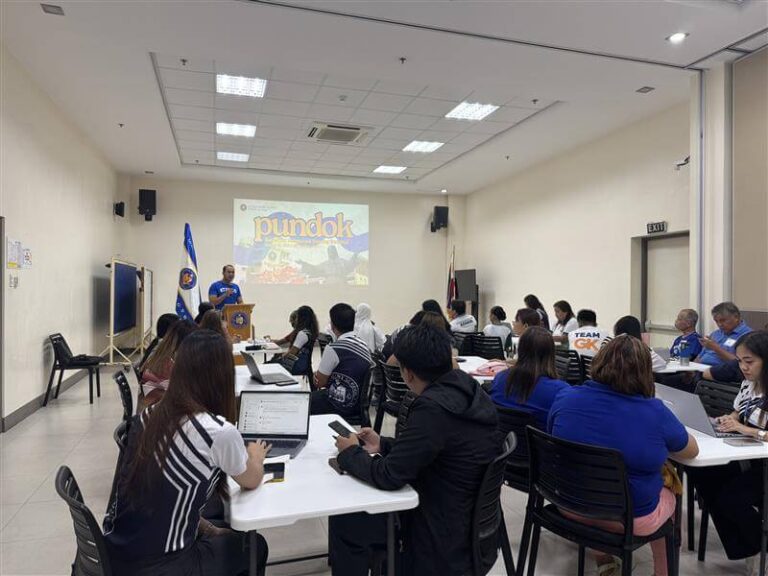
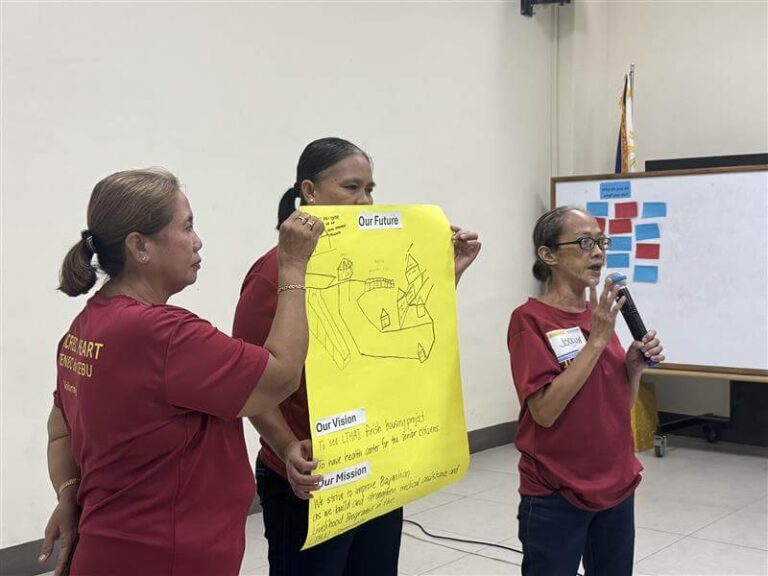
The room air, where elementary school leaders, an LGU representative, non-government organizations such as Gawad Kalinga, and even a residential facility for children in conflict with the law converged, seemed to crackle. It was a tangible expression of synodality, the Jesuit ideal of walking together, all bent on two workshops: one, “ Understanding Who We Are”, and the other, Envisioning Our Future.
As the conversation went on, some basic, universal themes came through that tugged at the center of the mission:
The Hunger Crisis: Time and again, the same aching reality was recounted, especially by the school partners. The greatest enemy of education and learning is not a shortage of books; it’s hunger and the economic strain that underpin student absence. If a child is classified as “wasted or severely wasted,” as in the case of areas like Pagsabungan, the struggle for literacy starts with the struggle for basic health. You cannot instruct a starving child.
The Unstoppable Spirit: To balance these challenges was a tough, enduring hope. Each partner referred to the strength of Bayanihan, the shared solidarity and deep commitment of teachers and volunteers. This collective strength, they believed, is the driving force behind all they are doing, from relief feeding operations to recovery efforts in the classroom.
A Vision of Dignity: When asked to describe their long-term vision, the responses weren’t grand infrastructure talk. They were responses about building the human person. They envisioned communities that are responsible, compassionate, dignified, and productive. The mission, in brief, is to serve the whole person, not merely the student or the beneficiary.
The Moment That Struck
To see all 11 communities—principals, parent-volunteers, religious sisters—brought together in a single room for the very first time was truly moving; it reinforced the idea that together, they constitute a collective force for social change. However, the moment that hit the four cornered room the strongest came from deep within the Pagsabungan community. Their collectively-defined, simple in words but truly bright goal was this: “A Pagsabungan Elementary School where every child is healthy, happy, and ready to learn by 2026-2027.”
It was not a general wish. It was a strong, quantifiable challenge born out of a hurting reality. It cut through all the doublespeak to speak the mission simply: before we can discuss grades, we must discuss sustenance. That one sentence is an entire plan for future action, calling us to accountability not only for test results, but for the simple well-being of all children.
This meeting, PUNDOK, now sets a clear direction for the years to come. It calls for a shift we must make: a shift from good-intentioned, ad-hoc acts of giving to a strategic, responsible, and enduring partnership on a foundation of collaboratively established objectives. We’ve moved from helping them to journeying beside them and this gentle shift has the power to create real change.